Prado Corp
A new form for an everyday ritual

Some ideas need to be seen before a team can decide what they should become.
Selected projects
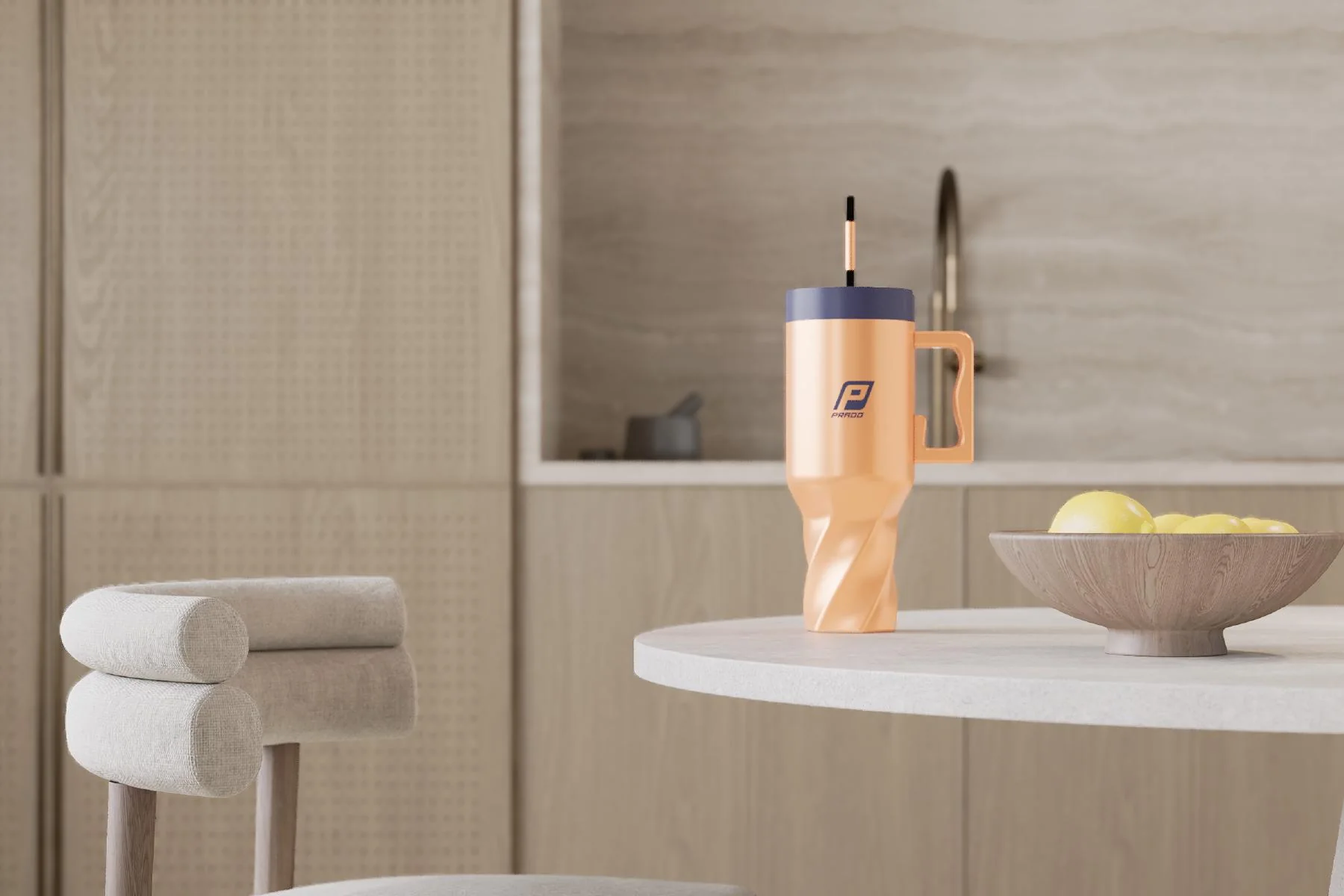
Explore the form, material, and visual story behind the Prado product concept.
A new form for an everyday ritual
Concept design connects the opportunity, creative territory, key applications, and decision criteria before the business commits to full production or rollout.
We shape these capabilities around the idea, the decision it needs to support, and the next stage the concept should unlock.
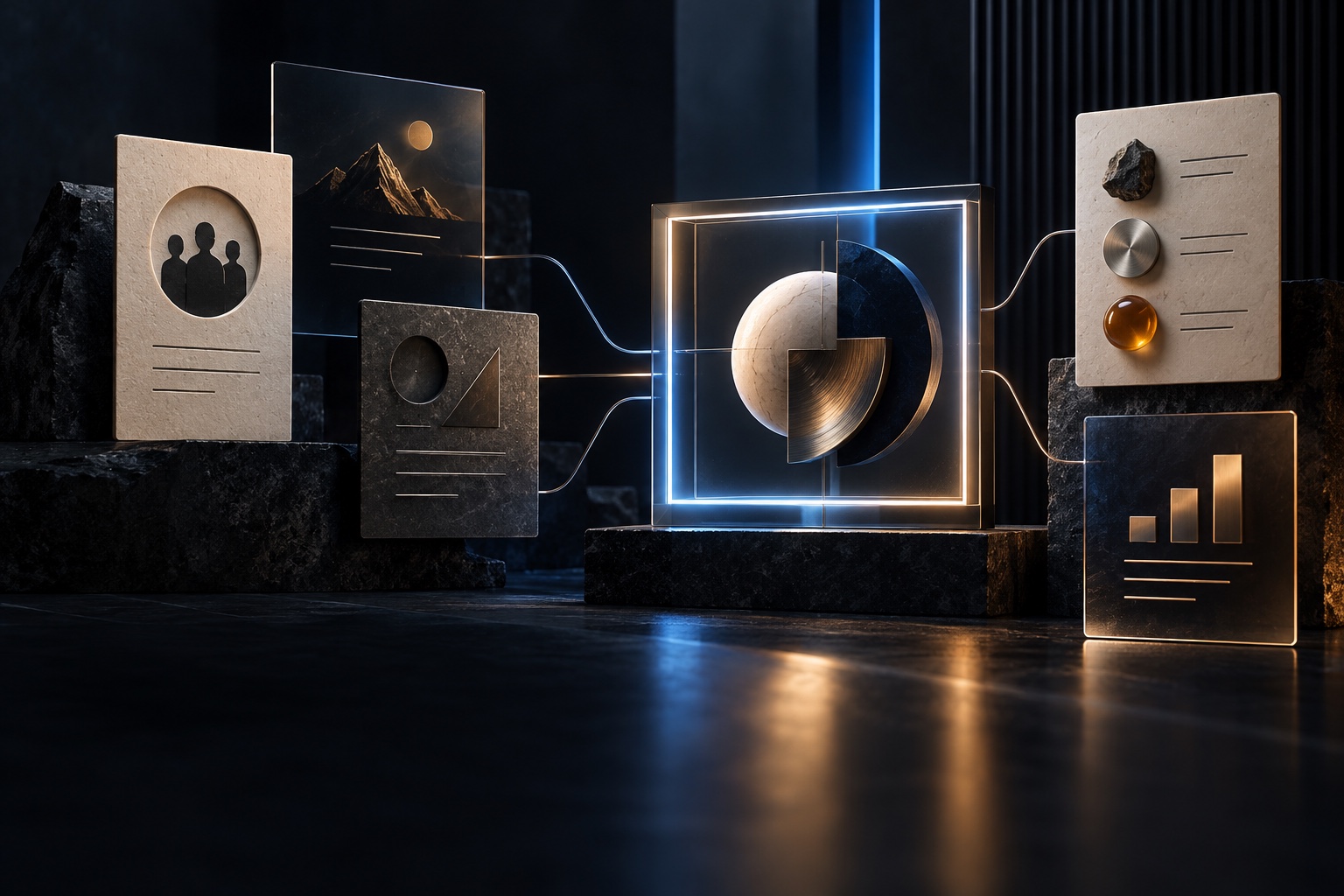
We define the idea, audience, opportunity, constraints, and the decision the concept needs to make easier before visual exploration begins.
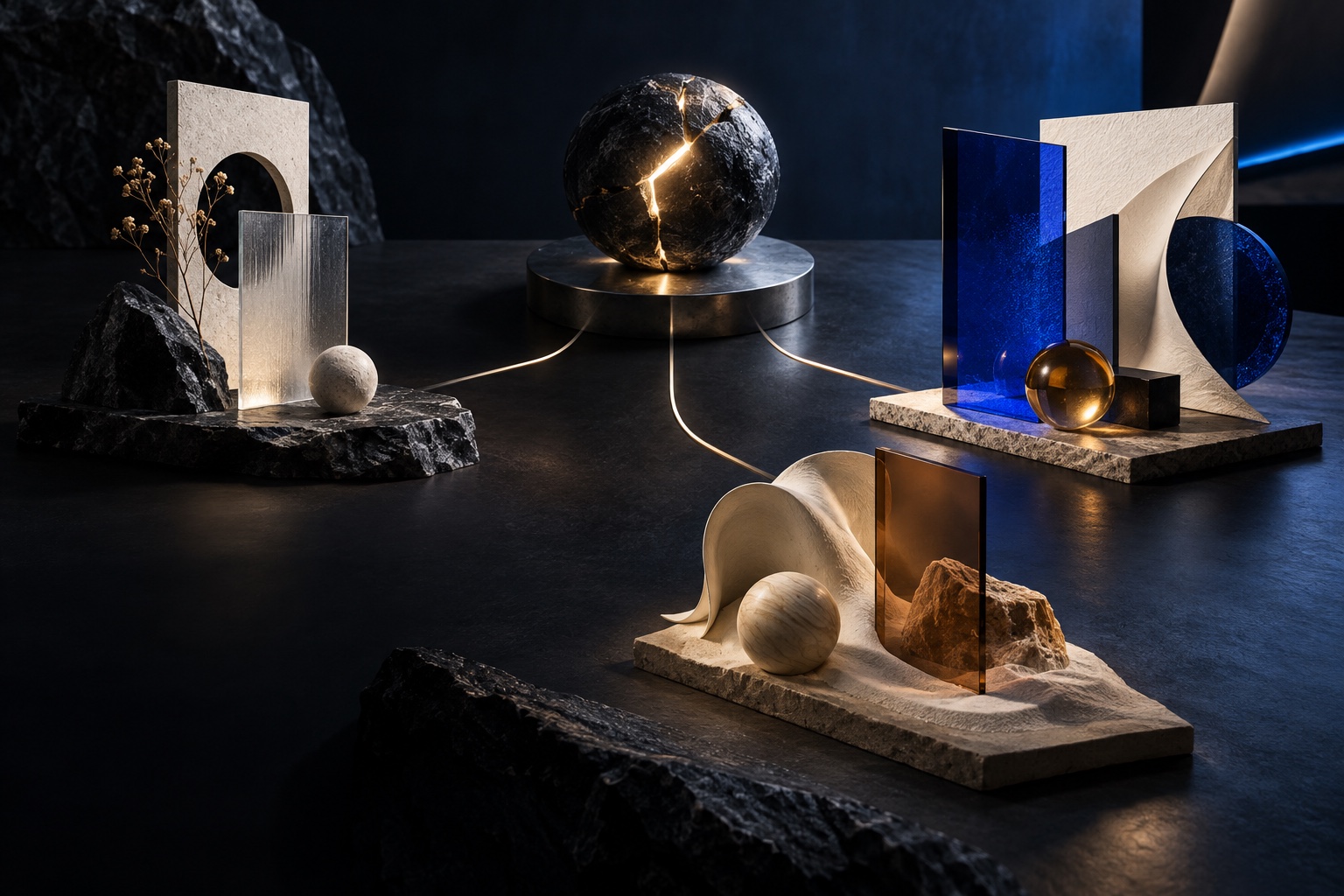
We translate the brief into distinct visual possibilities so the team can compare meaningful directions before committing to one route.
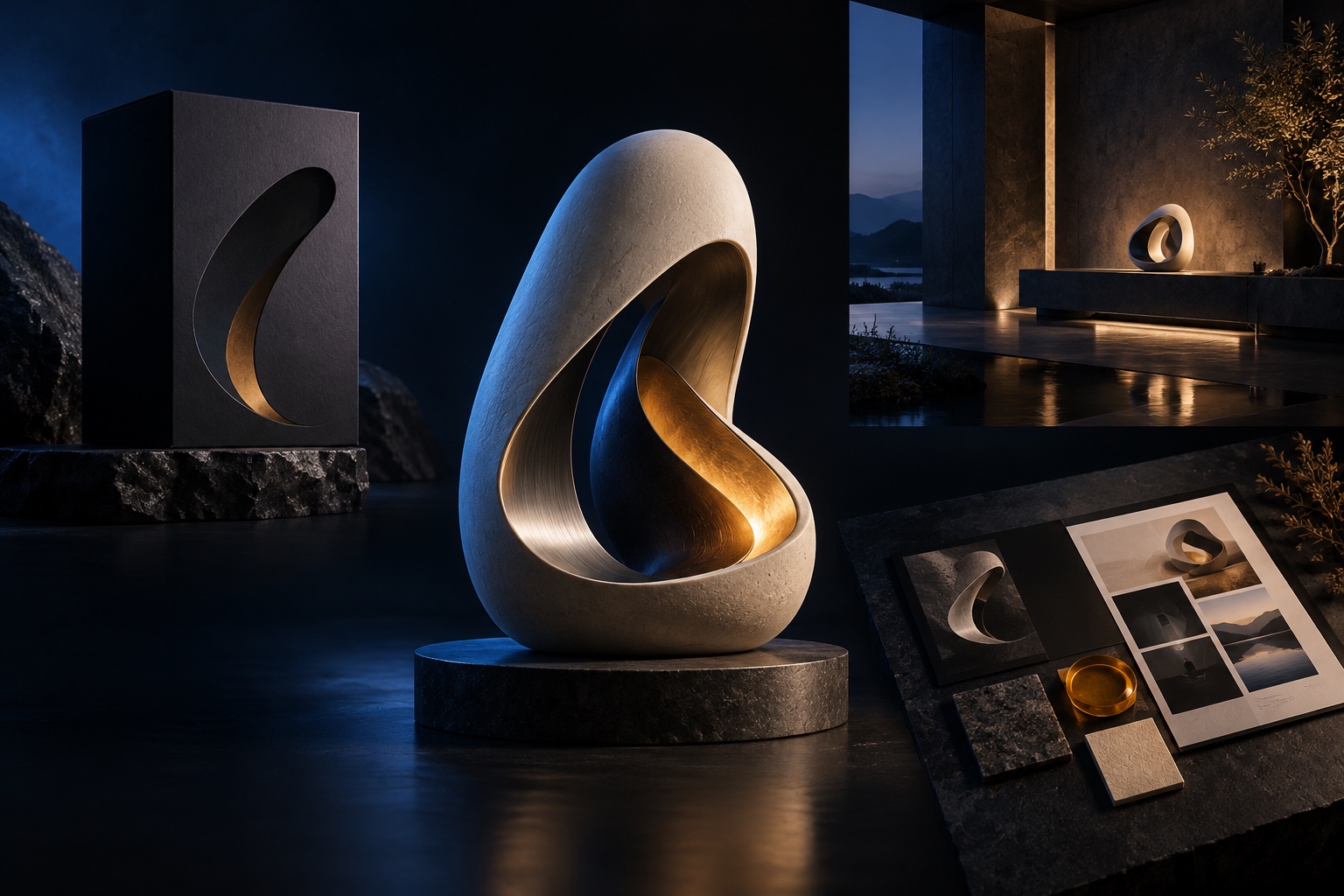
We develop the selected direction far enough to see how the idea behaves in the moments that matter most to the project.
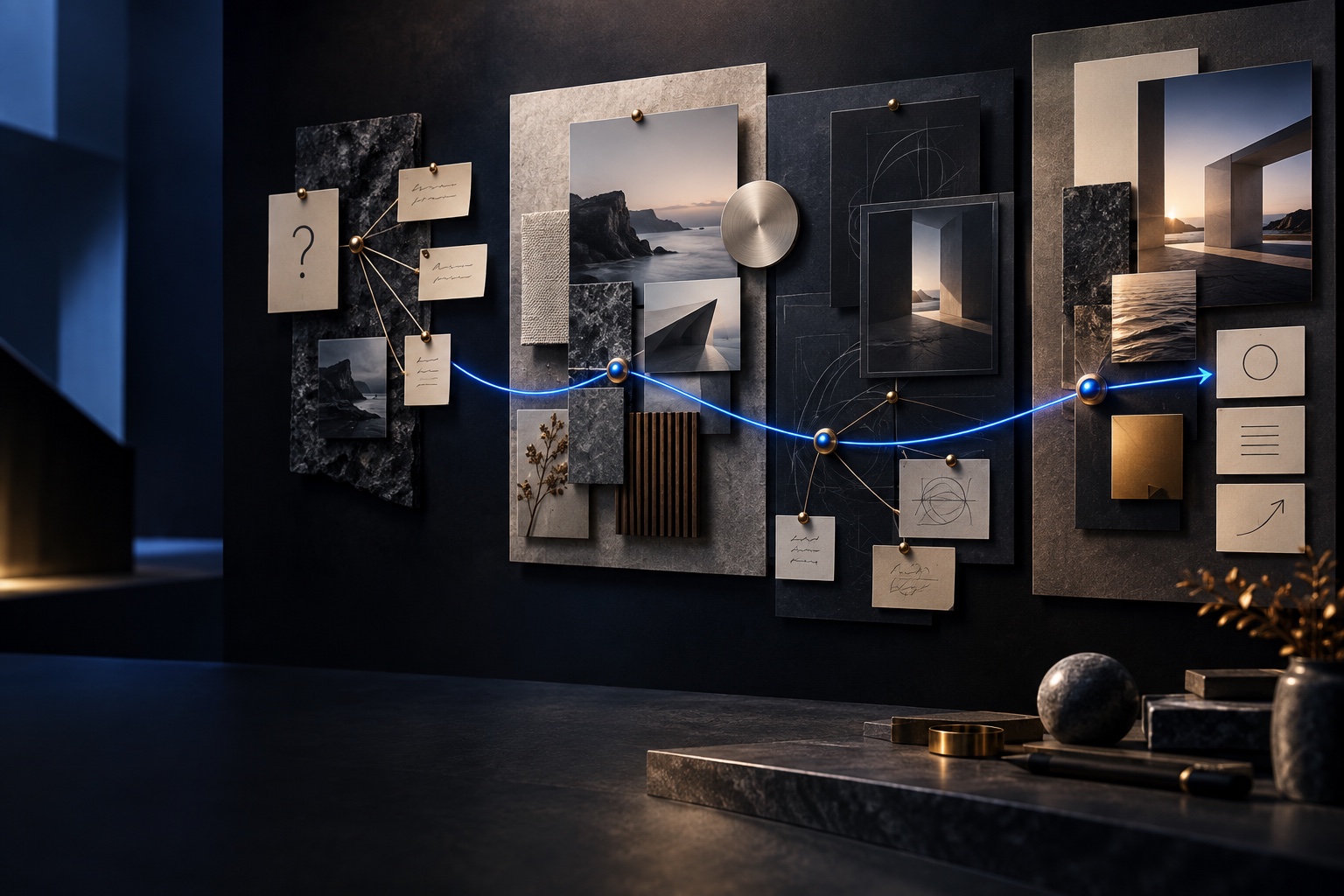
We package the strongest concept with its rationale, assumptions, open questions, and a useful recommendation for what should happen next.
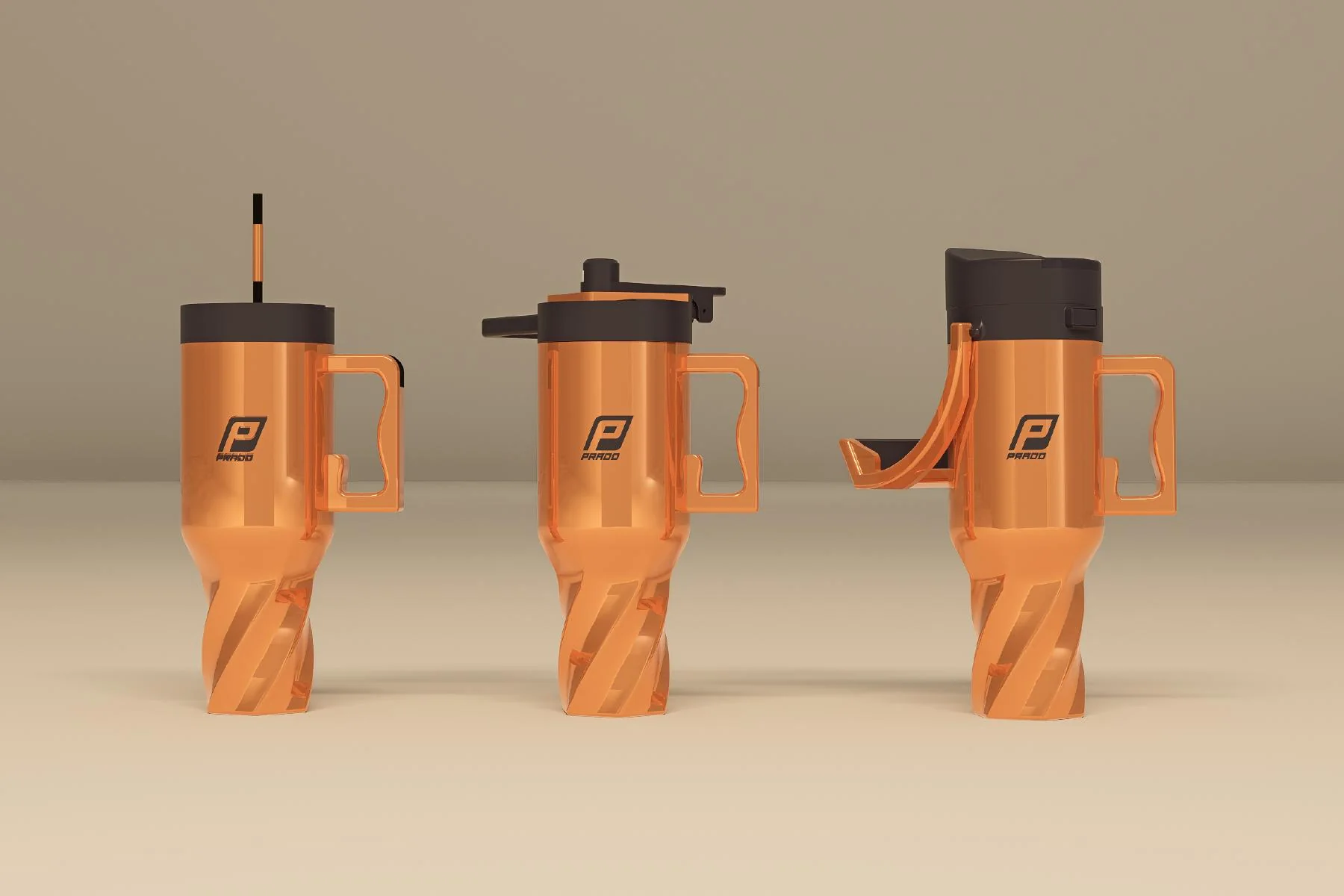
Prado shows a product idea moving from a distinctive form into an understandable system and a credible setting before physical production begins.
Common projects include early product concepts, campaign territories, launch visuals, pitch concepts, environmental ideas, and exploratory brand applications.
The depth changes with the project, but the work moves through the same decisions: define, investigate, explore, develop, test, and direct.

Align the opportunity, audience, decision, scope, constraints, inputs, and people responsible for approving the concept.
Study the context, references, category patterns, practical limitations, and adjacent possibilities that can sharpen the idea.
Create distinct visual territories that give the team useful choices in form, mood, material, color, and composition.
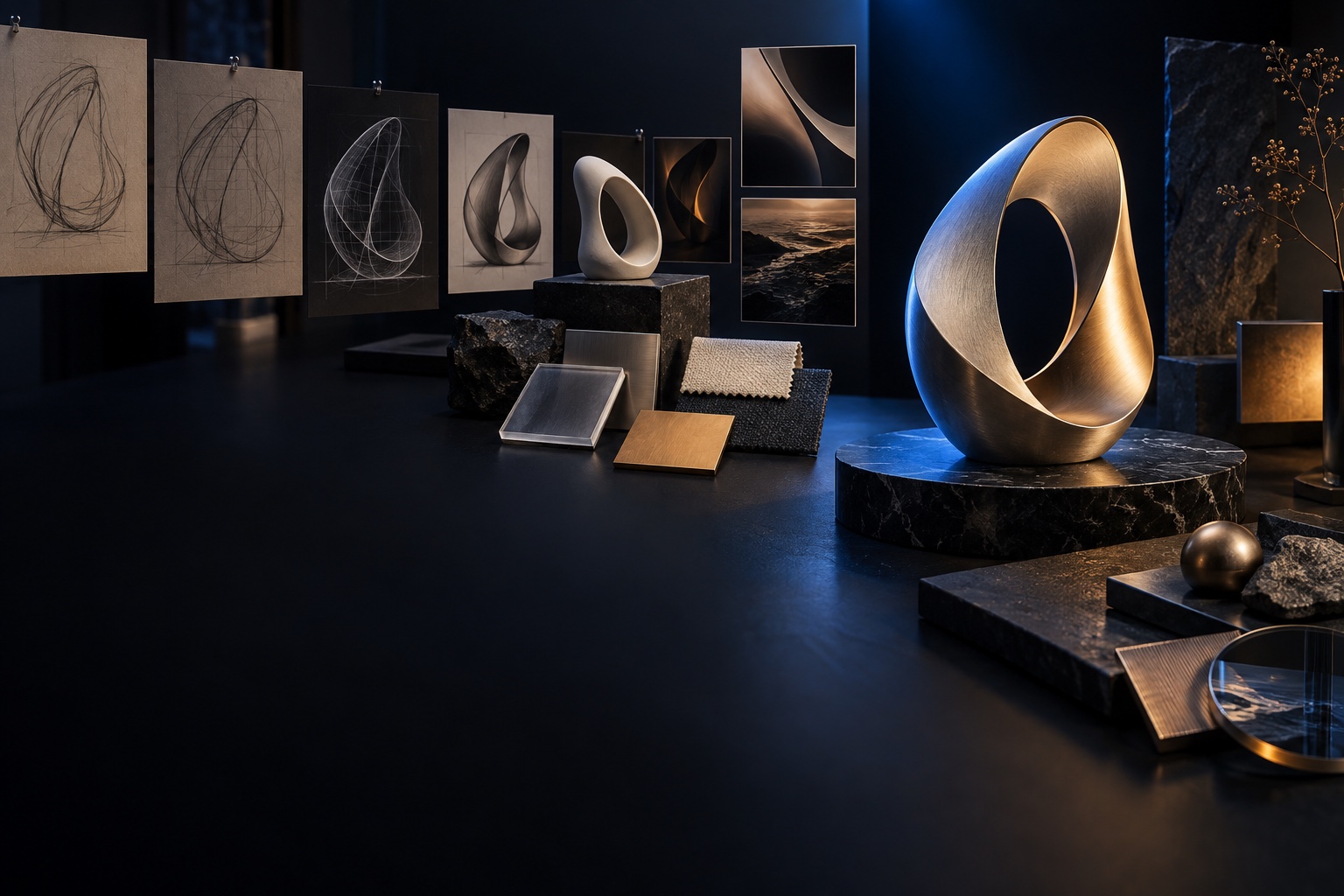
Advance the selected territory through iterations, key views, material decisions, and the applications needed to understand it.
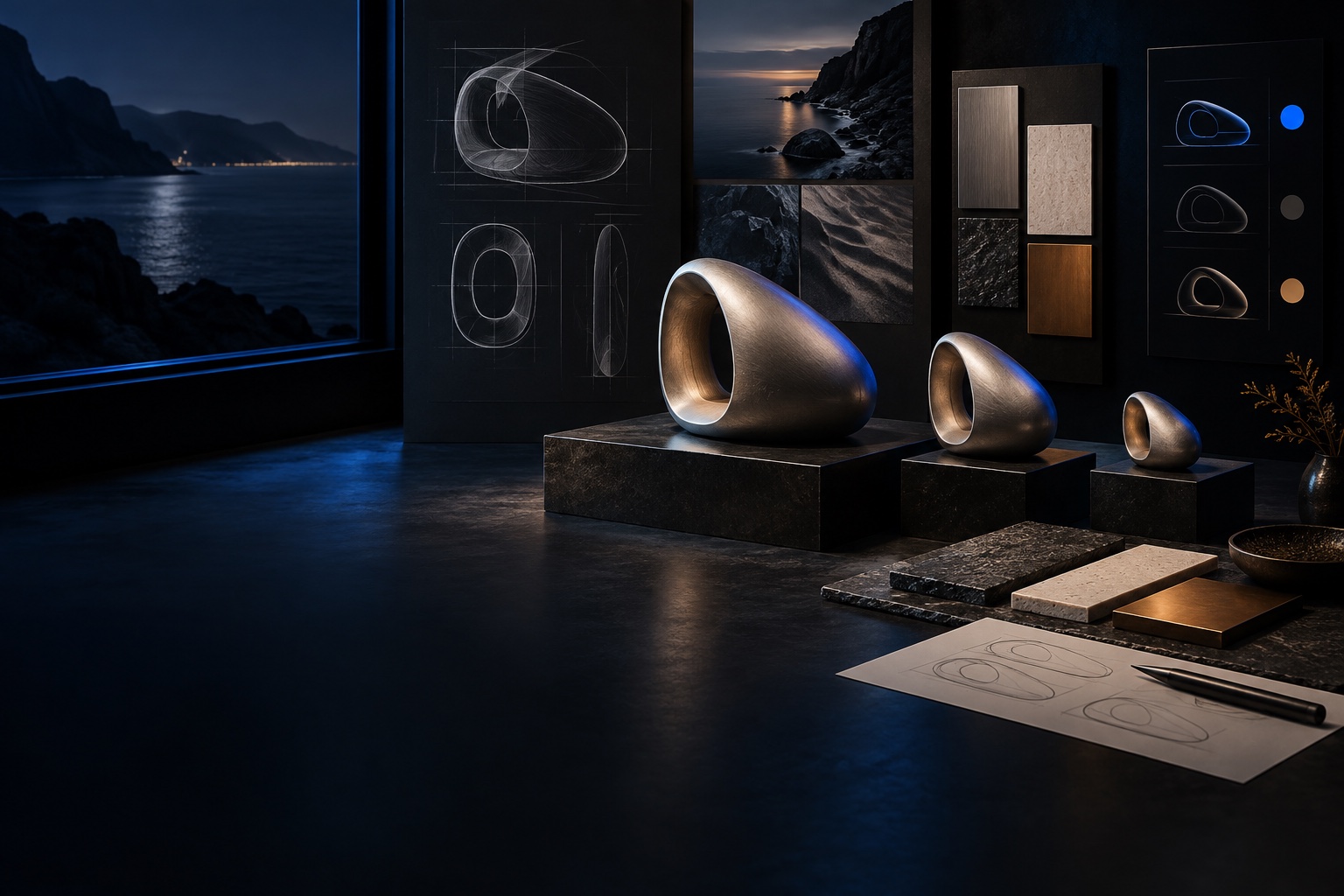
Compare the concept across scale, context, use, and the agreed decision criteria before recommending the final direction.
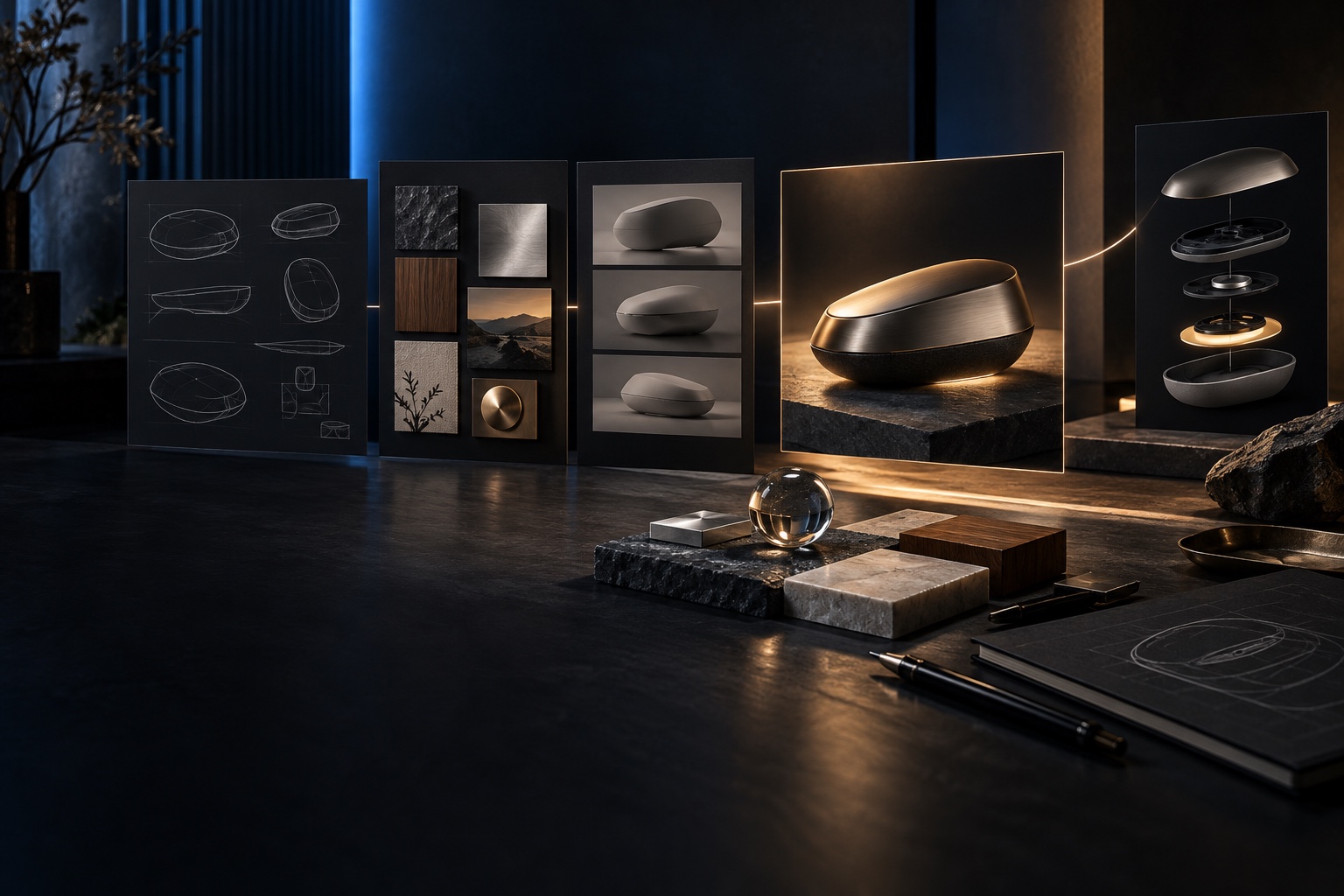
Present the strongest concept with its rationale, known gaps, assumptions, and a clear brief for the next stage of work.
Concept design makes an early idea tangible enough to discuss, compare, and direct. It can establish a visual territory, hero expression, and key applications before the team commits to full design, engineering, production, or rollout.
Usually not by itself. A concept proves direction and decision value. Production drawings, engineering, detailed specifications, final artwork, development, fabrication, or vendor-ready files are separate stages unless explicitly included.
We need the opportunity, audience, intended use, business context, known constraints, available research, decision makers, timing, and the question the concept must help answer. We can help structure incomplete inputs during discovery.
The number of territories, review moments, and refinement rounds is defined in the approved scope. We favor a small set of purposeful, clearly differentiated directions over a large collection of cosmetic variations.
Yes, when those tools help make the decision. The level of realism, modeling, rendering, animation, prototyping, and production support depends on the concept and is confirmed before the work begins.
The next step may be a brand system, campaign, prototype, production design, website, content system, vendor brief, or another specialist phase. We close the concept stage with a clear recommendation and the gaps that still need to be resolved.
Tell us what needs to become visible, who needs to believe in it, and what the team should be able to decide next.

BLENDIN CREATIVE